If you race abroad, you have probably had this conversation. Someone asks where you do your climbing, and the honest answer is that you don't — not in the sense they mean. Malta's highest point sits near Dingli at roughly 250 metres, the island is about 27 kilometres end to end, and there is no climb anywhere on it that a fit cyclist cannot clear in a few minutes.
That is a genuine constraint. It is not, however, the constraint most athletes think it is.
What you actually lose, and what you don't
It helps to separate two different things that "climbing fitness" gets used to mean.
The physiological engine — your aerobic capacity, your threshold power, your ability to hold a hard steady effort for a long time — is not terrain-dependent. A threshold interval is a threshold interval whether you do it going uphill in the Alps or into a headwind along the coast. You can build this to a very high level in Malta without difficulty.
The specific demands of a long climb — sustained low-cadence work, thermal load with no descent to cool you, pacing discipline over thirty or forty minutes, and the sheer psychological weight of a climb that doesn't end — those genuinely are harder to reproduce here.
The good news is that the first category is most of what determines whether you climb well. The second is a specificity problem, and specificity problems have workarounds.
What Malta's terrain is genuinely good for
Before working around the constraint, it's worth noticing what the island offers that a mountain region doesn't.
Maltese riding is punchy, repeated and rarely steady. The road out towards Dingli, the climbs up from the coast, the drags around Mellieħa and the ramps into the western villages are short, often steep, and come at you in succession. Add junctions, villages, changes of surface and a wind that shifts as you turn, and you get a ride profile that is almost never a constant effort.
That is excellent preparation for a lot of racing. Criteriums, hilly road races, most triathlon bike courses and virtually every gran fondo with rolling terrain reward exactly this: the ability to go hard for ninety seconds, recover while still moving quickly, and do it again forty times. Athletes who train on long alpine climbs are often worse at this than Maltese riders, because their terrain lets them settle into a rhythm and stay there.
So the first move is not to treat the terrain as a deficiency. It's to race the courses it prepares you for, and to work around it deliberately when your goal race demands something else.
Building sustained climbing without sustained climbs
When your target event does have a real mountain in it, three approaches cover most of the gap.
1. Use the wind as your gradient.
This is the most underrated tool available to an athlete in Malta. A strong majjistral gives you a resistance you can ride into for as long as you like, at whatever intensity you choose. A forty-minute effort into a headwind along an exposed coastal stretch reproduces the metabolic and pacing demands of a long climb closely — sustained power, no coasting, no recovery, and the same mental requirement to hold something steady when it would be easier not to.
The main thing it doesn't reproduce is the low cadence. Which brings us to:
2. Train the cadence deliberately.
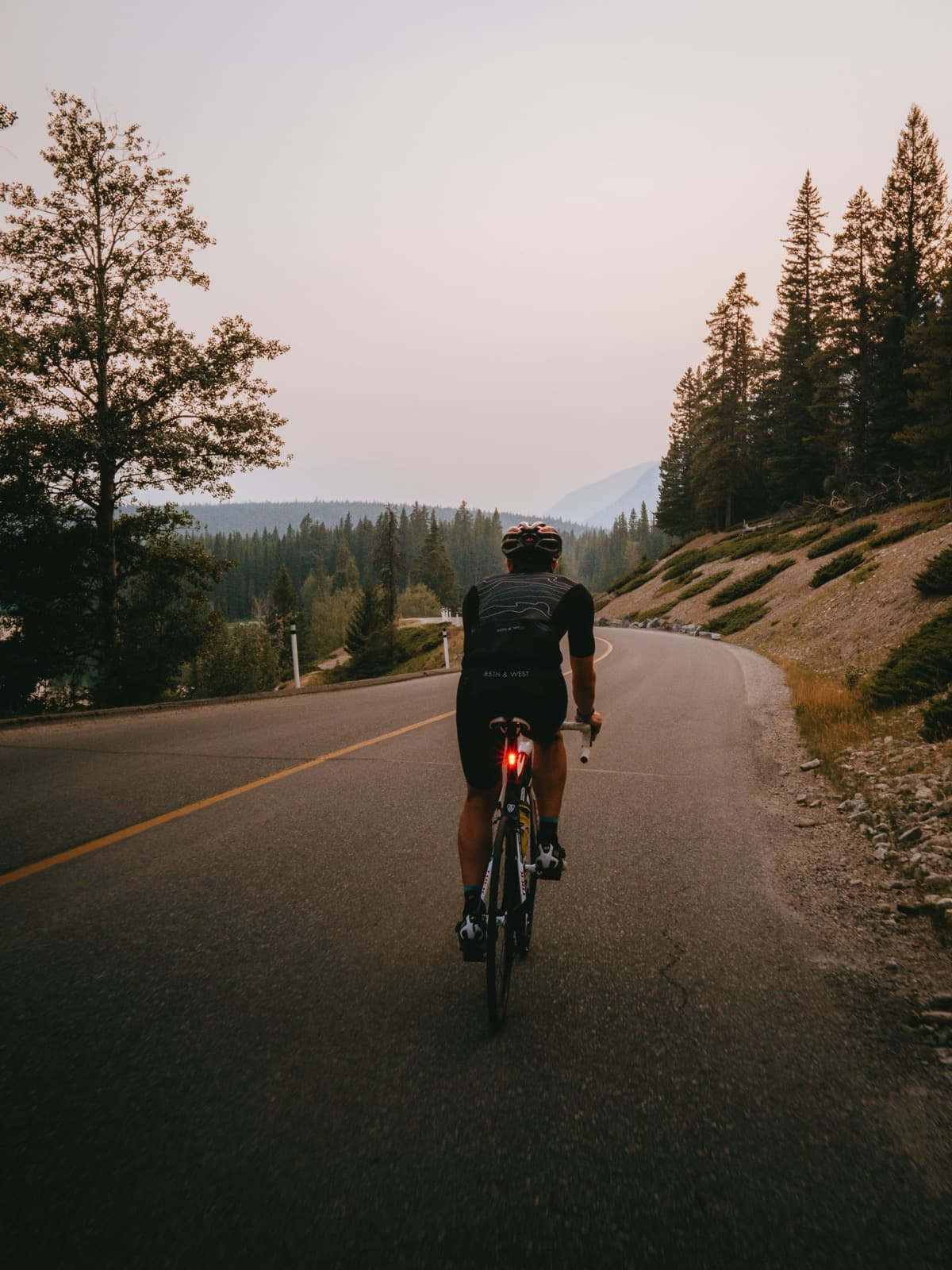
Long climbs push most riders into the 60–75 rpm range for extended periods, which recruits differently and fatigues differently than the 85–95 rpm most people ride on the flat. This is trainable, and it's trainable anywhere:
- Big-gear, low-cadence intervals on a false flat or into wind — 6 to 10 minutes at 55–65 rpm, at tempo to threshold intensity
- Seated the whole way, with attention to keeping the upper body quiet
- Built up gradually, because this is hard on the knees if you rush the progression
3. Use the indoor trainer for what it's genuinely best at.
An indoor trainer gives you complete control over duration and resistance and no junctions, which makes it the single most reliable way to do a forty-five minute steady climbing simulation in Malta. This is not a consolation prize. For sustained sub-threshold work, it's better than anything available outdoors here.
Don't forget the descending
Here is the part that catches people out at a mountainous race abroad, and it is rarely the legs.
Descending a long alpine road is a skill — braking into unfamiliar hairpins, holding a line, managing speed for ten or fifteen minutes at a stretch, staying relaxed while cold and tired. There is nowhere in Malta to practise it, because there is no descent long enough.
If your goal race has serious descending, budget time for it in the days before, on the actual course if you can. It is worth more than another interval session, and it is the difference between arriving at the bottom composed or arriving there having lost three minutes and most of your nerve.
The runners' version of the same problem
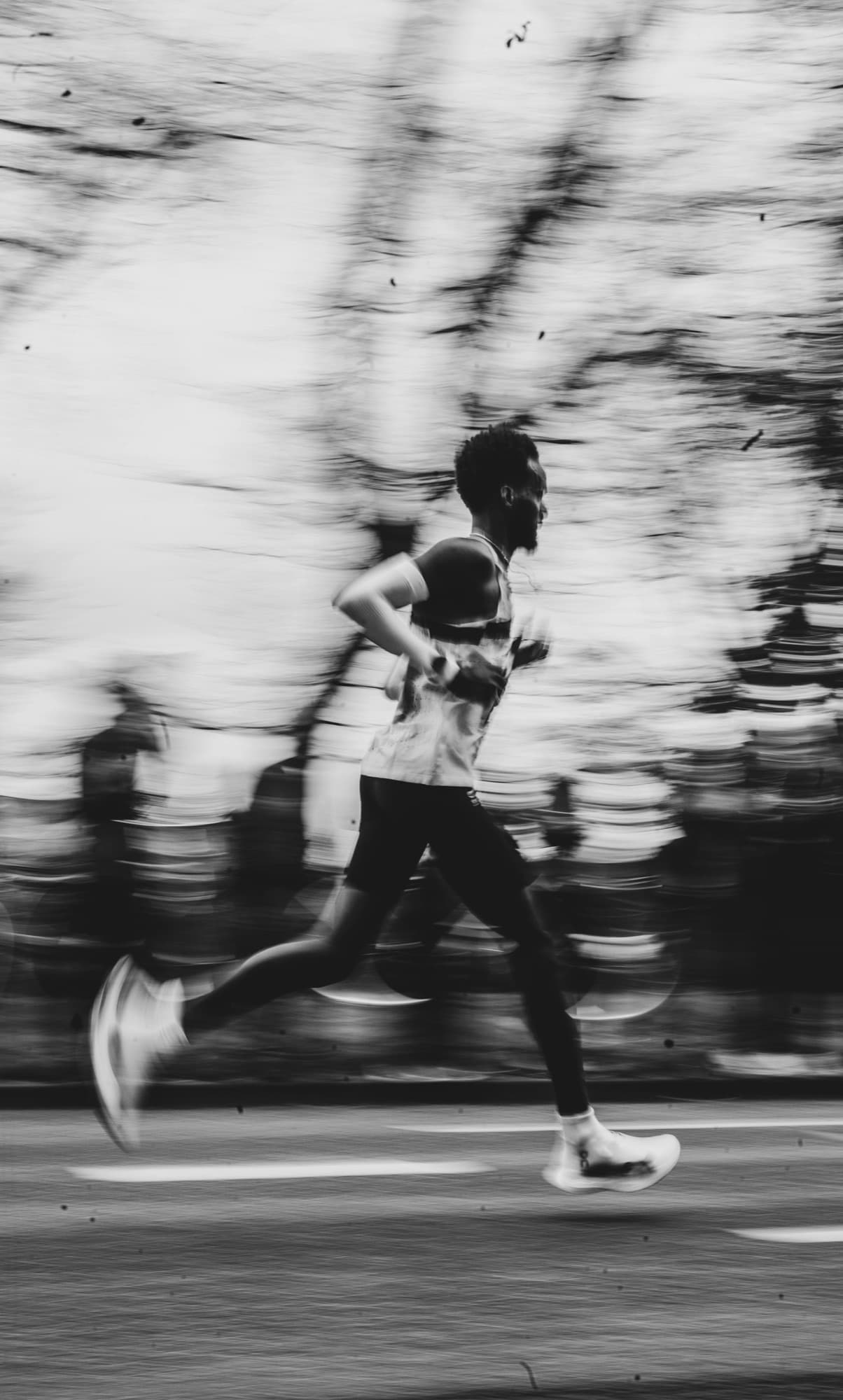
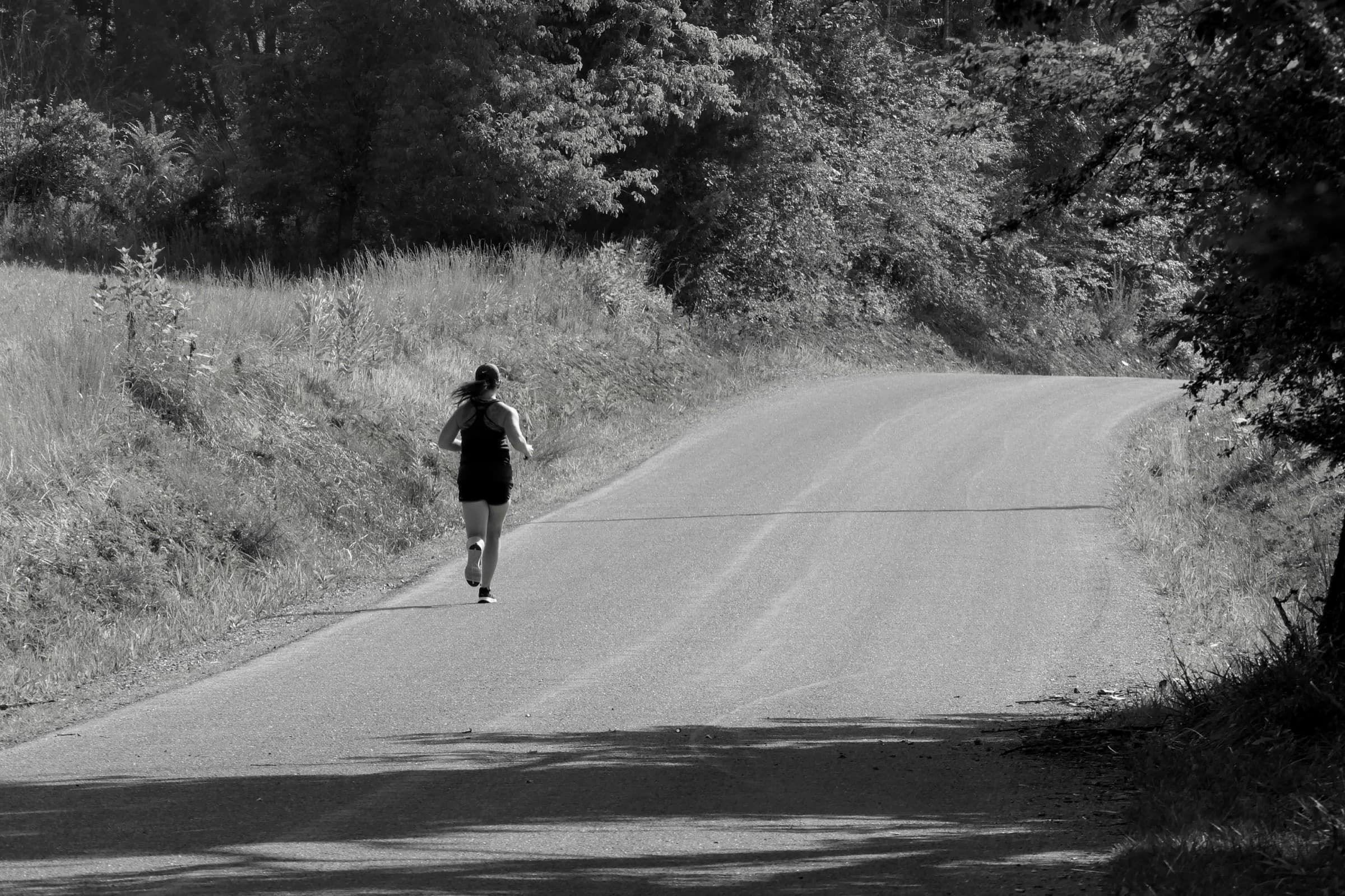
Everything above applies to running, with one addition: Malta's short climbs are often steep, which makes them excellent for hill repetitions and strength endurance, and poor for practising sustained uphill running economy.
For a hilly marathon or a trail race, that means:
- Short steep repeats for strength — these Malta does well
- Treadmill gradient work for sustained uphill running — the only real substitute available
- Downhill running practice, which matters far more than most runners realise. Eccentric loading on long descents is what destroys quadriceps in the back half of a hilly race, and it requires specific preparation. Malta's short descents can still deliver this if you use them repeatedly and deliberately.
The point
Terrain is a constraint on specificity, not on fitness. The engine is built the same way everywhere, and the island's punchy profile is genuinely well suited to a lot of racing.
Where it falls short — sustained climbing, sustained descending — the gaps are identifiable, and each one has a workaround that fits into a normal training week. What matters is knowing which gaps your goal race will actually expose, and planning around those rather than worrying about all of them.
TriNdure builds race-specific programmes for triathletes, runners and cyclists — based in Malta, coaching online across Europe, and planning around whatever terrain you actually have on your doorstep. Talk to us about your target race.